What Are the Foundations of Athlete Branding? A Practical Guide to Building Real Commercial Value
If you’re an athlete trying to build a personal brand that leads to sponsorships and income - this is what actually matters.
I see it constantly: athletes have enormous commercial potential sitting right in front of them…but they don't know how to access it.
They think branding is about being famous. About having a big following. About looking polished on Instagram. It's not.
Athlete branding is about one thing: clarity. Understanding who you actually are, what you actually stand for, and who you're actually trying to reach. Everything else follows from that.
This article walks you through how to build an athlete brand that actually works - one that creates partnerships, builds community, and generates real income. Not someday. Now.
What is Athlete Branding?
Athlete branding is the process of creating a distinctive identity that opens commercial doors.
Notice I didn't say "personal brand" or "athlete brand" in the typical sense. I mean the actual commercial value you create by being clear about who you are and what you stand for. It's not about polishing your image. It's about being unmistakably you.
The best athlete brands aren't the most famous ones. They're the clearest ones. An athlete with 10,000 genuinely engaged followers who knows exactly what they stand for is more valuable commercially than an athlete with 100,000 passive followers who could be anyone. This matters because brands don't pay for reach. They pay for clarity. They pay for audience that actually responds to recommendations. They pay for athletes they can trust to represent them authentically.
If you're not clear about who you are, you can't offer that. So brands don't want you. Or they want you cheap..
Why Most Athletes Get Branding Wrong
Before we talk about what works, let's talk about what doesn't.
Most athletes approach branding like this: "I'll build my following and then figure out what I stand for." - This is backwards.
Following the wrong order means you end up with an audience that doesn't actually align with you. Followers instead of fans. People who scroll past instead of people who advocate for you.
I worked with an athlete recently who had 50,000 followers across platforms. Great numbers. Except when they tried to monetize that following, nothing happened. No brand partnerships converted. No commercial opportunities materialised. Why was that?
Because those followers didn't know what the athlete actually stood for.
The athlete was doing everything - fitness content, lifestyle content, motivational quotes, random takes on unrelated topics. The followers weren't a community. They were just people who happened to click follow.
We rebuilt from scratch. Got clear on what the athlete actually stood for. Got ruthless about what content to create and what to cut. It took three months of consistency before anything shifted. Then, suddenly, everything shifted.
Same athlete. Same follower count (actually lower by the end). But now the partnerships came. Because the brand owners knew exactly what they were getting. The audience was coherent. The positioning was clear.
That's the difference between an audience and a fan base. Between followers and commercial value.
Already ready to build your own Athlete Branding plan?
Visit our Athlete Branding hub.
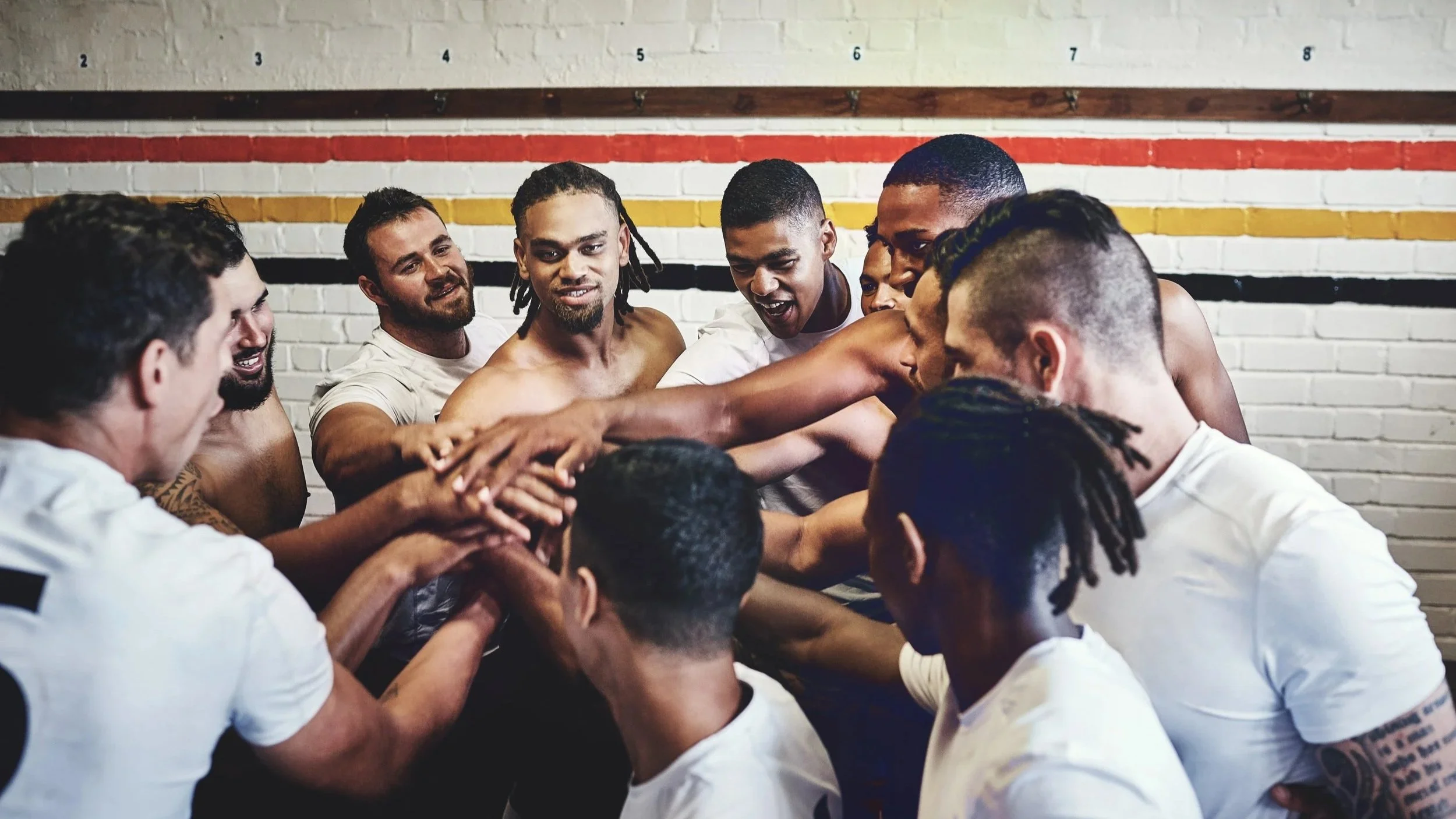
Foundation 1: Your Actual Identity (Not Your Aspirational One)
This is where most athlete branding fails at the start. Athletes ask themselves: "Who do I want to be?" That's the wrong question. The right question is: "Who am I actually being right now?"
Because your identity isn't what you intend. It's what you repeatedly do.
If you say you're authentic but you're carefully curating every image, your actual identity is "carefully curated." That's what people experience. If you say you're about community but you never respond to comments or engage with your audience, your actual identity is "broadcast-focused." That's what people experience.
Get clear on what you're actually doing. Not what you're planning to do. Not what you want to do. What are you actually doing, day after day?
That's your real brand starting point.
Here's a practical exercise: for one week, track your actual behavior. How much time do you spend on content creation? How much on engagement? How much on learning your craft? How much on partnerships? Your time allocation reveals your actual values. And your actual values reveal your actual identity.
That's your starting point.
Foundation 2: What You're Actually Willing to Lose Money Over
This is the second most important part of athlete branding, and almost nobody does it.
The best athletes I work with are clear on what they won't compromise on, even if it costs them money. Some won't work with certain types of brands. Even if the fee is significant. Some won't create certain types of content. Even if it would get more engagement. Some won't take partnerships that feel inauthentic. Even if they need the money.
That boundary - that clarity about what you won't do -is what makes your brand valuable.
Because it means every partnership you take is genuinely aligned. Every piece of content you create is genuinely you. Every collaboration feels real. Brands notice that. Audiences notice that.
One athlete I worked with turned down a six-figure sponsorship deal because the brand didn't align with what they actually cared about. At the time, they needed the money. Six months later, they got a better deal from a brand that was aligned. And because the first brand saw them turn down money to stay true to their positioning, they were even more interested in working together.
So here's the question: what are you actually willing to lose money over?
If you can't answer that, your brand isn't clear enough yet. Work on that first.
Foundation 3: Who You're Actually Trying to Reach (And Who You're Not)
This is the third foundation, and it's where positioning gets real.
Most athletes think: "I want to appeal to as many people as possible." which is commercial suicide. When you try to appeal to everyone, you appeal to no one. You end up being generic. Replaceable. Forgettable.
The brands that win aren't the ones trying to appeal to everyone. They're the ones that are crystal clear about who they're for and who they're not for.
You don't need everyone to follow you. You need the right people to follow you. And "the right people" are the ones who actually align with what you stand for.
So instead of: "How do I appeal to the broadest possible audience?" ask yourself: "Who are the people that actually care about what I care about?"
If you're about fitness and personal development, that's your audience. Not people looking for entertainment or motivation or inspiration in general. People specifically interested in that.
That specificity is what creates real connection. This doesn't mean your audience is small. It means your audience is coherent. A coherent audience of 10,000 is worth more than a scattered audience of 100,000.
Because the coherent audience actually engages. Actually converts. Actually becomes community.

The Challenge Most Athletes Face
Here's the honest challenge: doing this work is uncomfortable. - It requires you to be specific about who you are. And that specificity means some people won't like it.
When you're clear about what you stand for, you're also clear about who you're not for. That feels risky, but what I've learned: that risk is actually where your commercial value lives. The athletes who are vague about who they are get low-value partnerships or no partnerships.
The athletes who are clear about who they are get high-value partnerships. Because brands would rather pay well for clarity than negotiate around vagueness.
Moving From Foundation to Action
You now have the three foundations clear:
Your actual identity
What you're willing to lose money over
Who you're actually trying to reach
The next step is turning that into a coherent brand strategy. And that's where most athletes get stuck because it feels complicated.
It doesn't have to be.
If you're just starting out — you haven't really built anything yet, you're trying to figure out if branding is even worth your time - we have a free Brand Starter Pack that walks you through these foundations in a practical way. It takes about an hour. You'll have clarity on all three foundations and a simple one-page media kit you can use to start conversations with potential partners.
Download the free Brand Starter Pack
If you've already got some clarity - you know roughly who you are and what you stand for, but you're not sure how to turn that into actual commercial strategy that drives partnerships and income - we have an online course that walks you through the complete process. It covers positioning, content strategy, partnership strategy, audience building, and the specific tactics that actually work.
The course includes templates, real examples from athletes we've worked with, and ongoing access to community where you can ask questions and see what other athletes are building.
The Path Forward
Real athlete branding isn't complicated. It's just clear. You know who you are. You know what you stand for. You know who you're trying to reach. You communicate that consistently. Everything else follows. If you're not clear about who you are, you can't offer that. So brands don't want you. Or they want you cheap.
The athletes making real money aren't the ones with the biggest followings. They're the ones with the clearest positioning.
Start there.
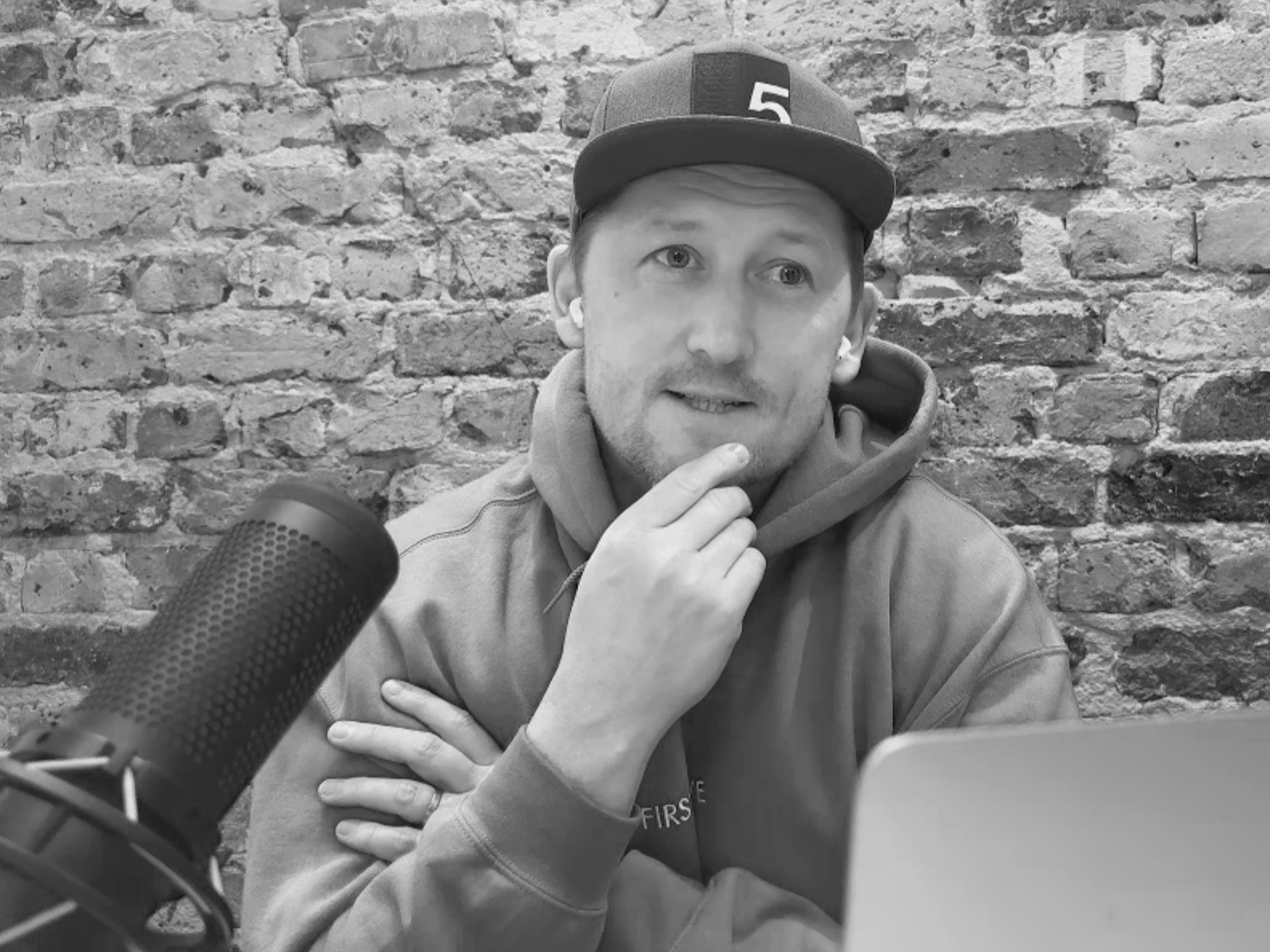
I am Richard Frost Founder, First Five Marketing
I help athletes build commercial value by being clearer about who they are and what they stand for. Most athletes think branding is complicated. It's not. It's just clear.
If you're an athlete trying to figure out if this is worth your time, start with the free pack. If you already know this is the right direction and you want to actually build something, the courses are designed for that.
Questions? Get in contact.
Some client FAQs
What is the role of social media in athlete branding?
Social media plays a crucial role in athlete branding by providing a platform to engage with fans, share personal stories, and promote brand partnerships. It allows athletes to reach a global audience instantly and build a loyal following.
How can an athlete monetize their brand?
Athletes can monetize their brand through sponsorships, endorsements, merchandise sales, personal appearances, and digital content monetization such as YouTube ads or Patreon subscriptions.
What should athletes avoid in branding?
Athletes should avoid being inauthentic, over-commercializing their brand, ignoring their audience, and failing to address negative publicity. These missteps can damage their credibility and fan relationships.
How important is a personal website for athlete branding?
A personal website is very important as it serves as a central hub for the athlete's brand. It provides a professional platform to share their story, showcase achievements, sell merchandise, and offer contact information for potential sponsors.
Can retired athletes benefit from branding?
Yes, retired athletes can significantly benefit from branding. A strong brand can lead to post-retirement opportunities such as endorsements, media roles, public speaking, and business ventures.
How do athletes choose the right brands for partnerships?
Athletes should choose brands that align with their values, image, and audience. The partnership should feel authentic and mutually beneficial, enhancing both the athlete's and the brand's reputation.